Description
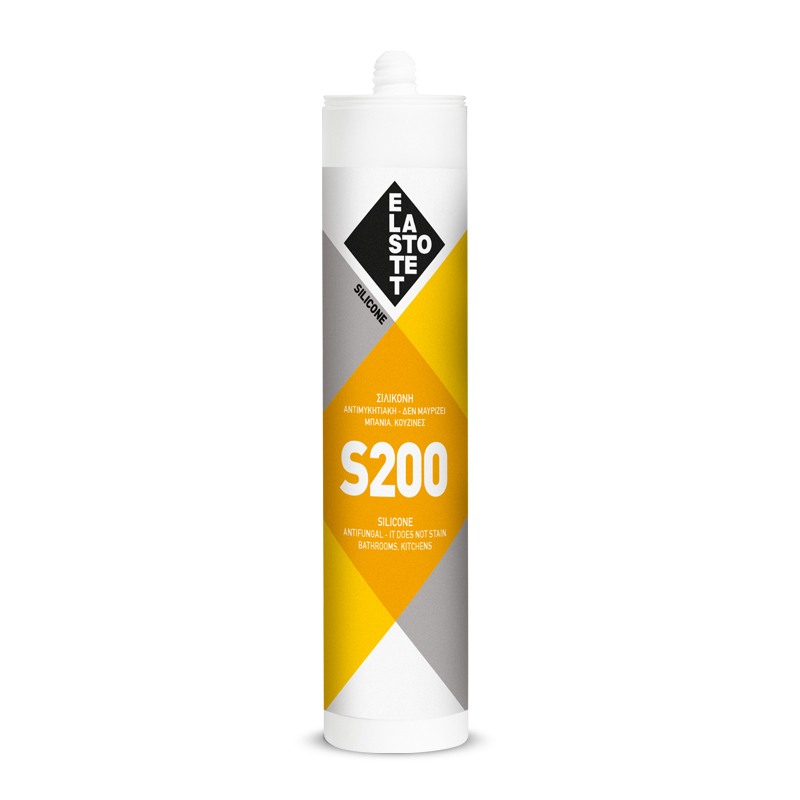
Antifungal Silicone
APPLICATIONS:
Ideal for bathrooms and kitchens (bathtubs, washbasins, sinks, tiles, etc.), hospitals and laboratories. The fungicide it contains prevents fungal growth on its surface. Not recommended for aquariums.
PACKAGING:
-280 ml Cartridges (Box of 25)
-400 ml Sausages (Box of 30)
-600 ml Sausages (Box of 15)
COLORS:
Transparent, White (Non-paintable)
(*More colors available upon request)
SHELF LIFE:
At least 12 months from date of manufacture when stored in room temperature and indoor humidity (not below 0℃ and over 25℃).
FAQS about SILICONES
Are silicones suitable for external use?
Silicones, in general, are ideal for external use as they exhibit excellent resistance to UV radiation (the highest known resistance among all elastomeric sealants), water, and temperature changes from -40°C to +120°C.
Do silicones have long-term durability or do they need to be renewed every 2-3 years?
Silicones generally have long-term durability. However, the market is dominated by economical types of silicones, which present the following problems:
-
Gradual shrinkage within the first 1-2 years after application, with shrinkage exceeding 25%-30%.
-
Detachment due to weak adhesion to the substrate on which they have been applied (mainly applies to acid-acetic silicones).
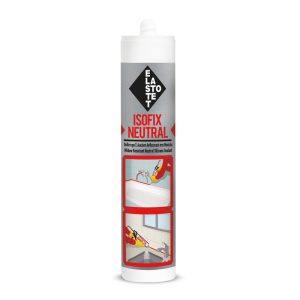
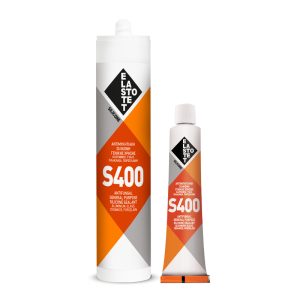
For maximum strength and lifespan, use the following types: S-100, Super White 10, S-900, Isofix Neutral.
What are the differences between neutral silicones and acetoxy silicones?
Acetoxy silicones are the most widely used type on the market. However, they have very limited adhesion to smooth substrates such as glass, ceramic tile, and stainless steel. They are also unsuitable for porous or synthetic substrates, as well as metals sensitive to oxidation.
In contrast, neutral silicones offer excellent adhesion to a wide variety of substrates, both porous and non-porous. This includes glass, tile, all types of metals, wood, concrete, marble, brick, PVC, polyacrylic, polyester, polycarbonate, and more. High-quality silicones contain silicone oil, which, when applied to highly absorbent surfaces like.
Are acetoxy silicones harmful to the human body?
Acetoxy silicones may cause skin or eye irritation if there is direct contact while still fresh. However, once they have dried, which typically occurs within the first 24 hours, they become completely harmless to the human body.
Why do silicones, even those with anti-fungal properties, turn black sooner or later?
In joints that experience frequent contact with water and limited exposure to sunlight, black spots (fungi) may develop over time. These spots can gradually spread, leading to the complete blackening of the silicone. To mitigate or delay fungal growth, fungicides are often incorporated into silicones.
However, in most cases, the growth of fungi is not entirely prevented due to the following reasons:
-
Most inexpensive silicones contain lower quantities of fungicides than recommended or use less effective fungicides.
-
Economical silicones often experience significant mass loss, which leads to a reduction in the fungicide they contain.
-
Many fungicides degrade with frequent contact with water, diminishing their effectiveness over time.
-
The presence of organic residues and soap in silicone promotes and inevitably leads to fungal growth.
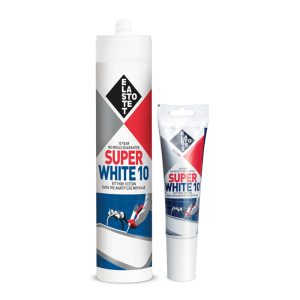
For the best possible result, we recommend the Super White 10 silicone type with the ten-year warranty, combined with regular cleaning and rinsing of the joint with plenty of water to remove soap residue.
Why do silicones stain marble?
High-quality silicones contain silicone oil, which, when applied to highly absorbent surfaces like marble, can cause staining of the substrate near the joint.
To avoid this issue, especially in joints with porous marble
or natural stones and in applications where aesthetic considerations are crucial (such as ornamental marble in buildings), it’s recommended to use the specialized Elastotan-5 elastomeric sealant.
How long does it take for silicone to dry?
Silicones cure by reacting with the humidity in the ambient air, transforming from a fresh paste into a rubbery substance. Drying initially occurs at the surface in contact with the air and then gradually progresses inward. The rate of drying depends on the temperature and humidity of the environment, as well as the thickness of the silicone layer.
As a general guideline, at a temperature of 20-25°C, a surface film typically forms within 15-25 minutes, while curing within the mass progresses at a rate of 2-3 mm during the first 24 hours. One-component sealants, such as silicone, should not be applied in thicknesses greater than 2 cm, as curing within thicker layers is significantly delayed.
Is silicone suitable for use as an adhesive?
Silicone is primarily a sealant, but it also possesses sufficient mechanical strength (with tensile strength around 2 N/mm2) to be used as an adhesive. Special grades of silicone, such as S-100, S-900, IG-1k, and
SG-1k are recommended for adhesive applications, provided that the silicone is applied in a manner which allows it to cure properly by ensuring adequate air exposure.
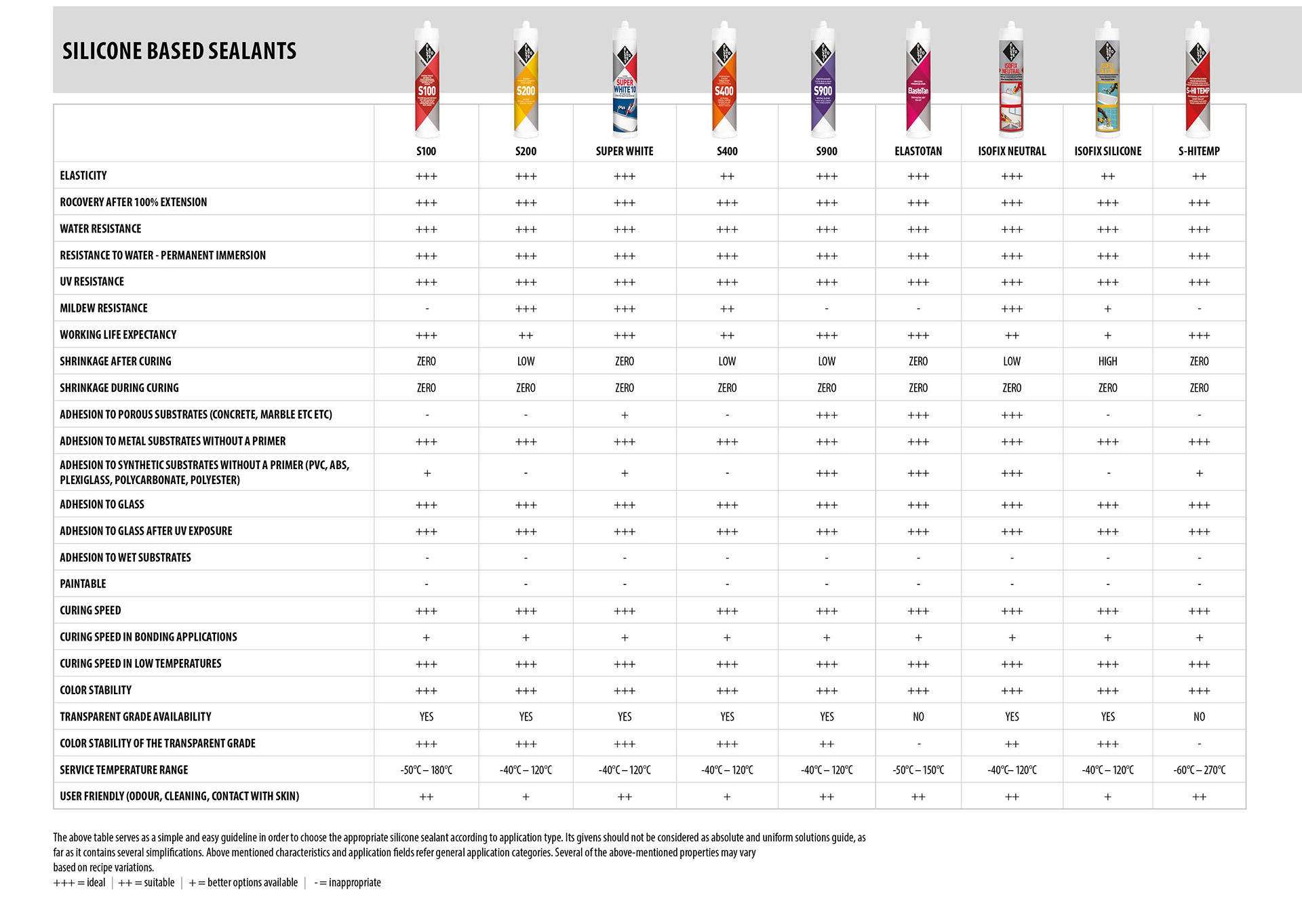
SILICONE BASED SEALANTS’ PROPERTIES
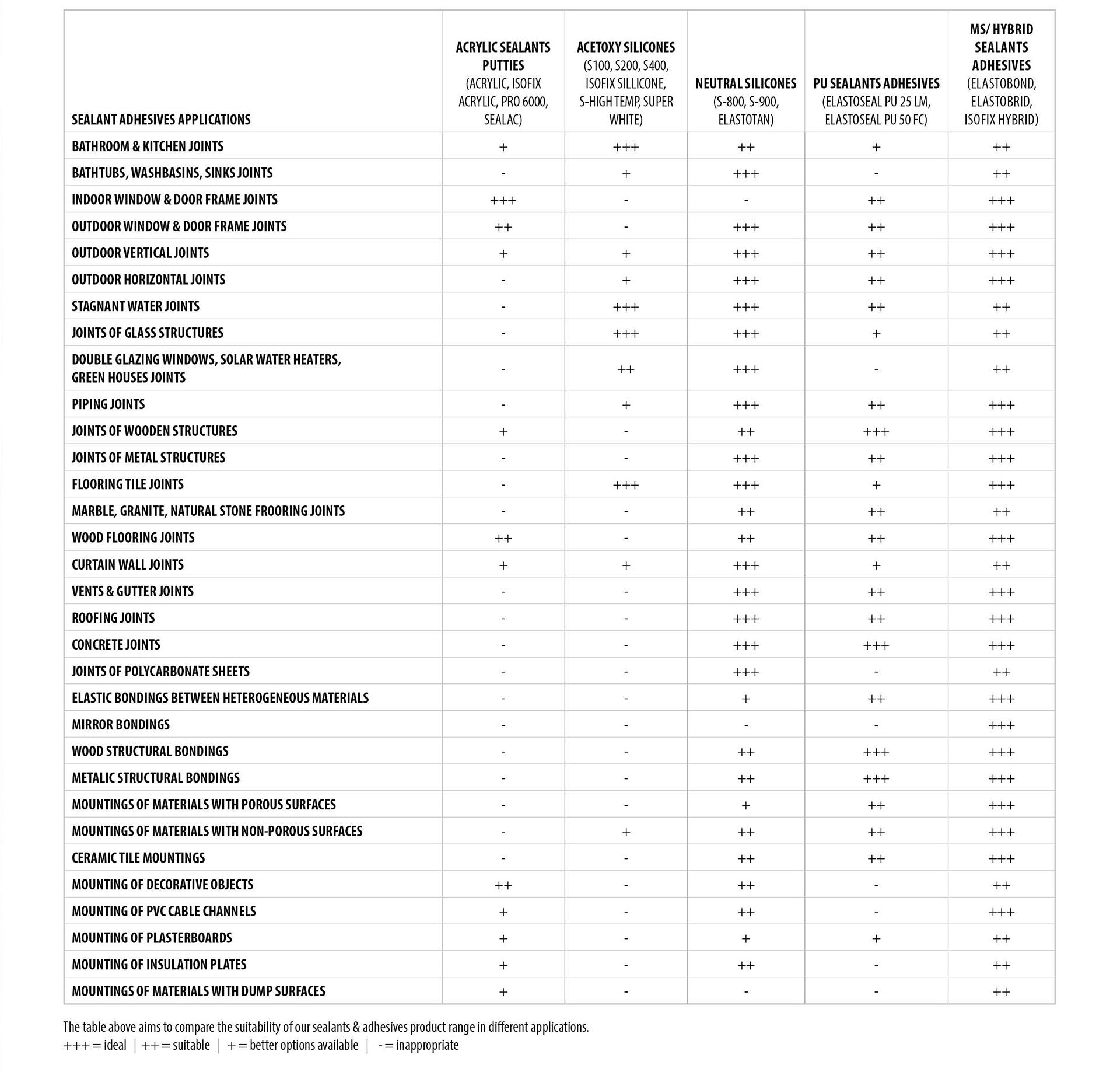
SEALANT ADHESIVES COMPARATIVE TABLE
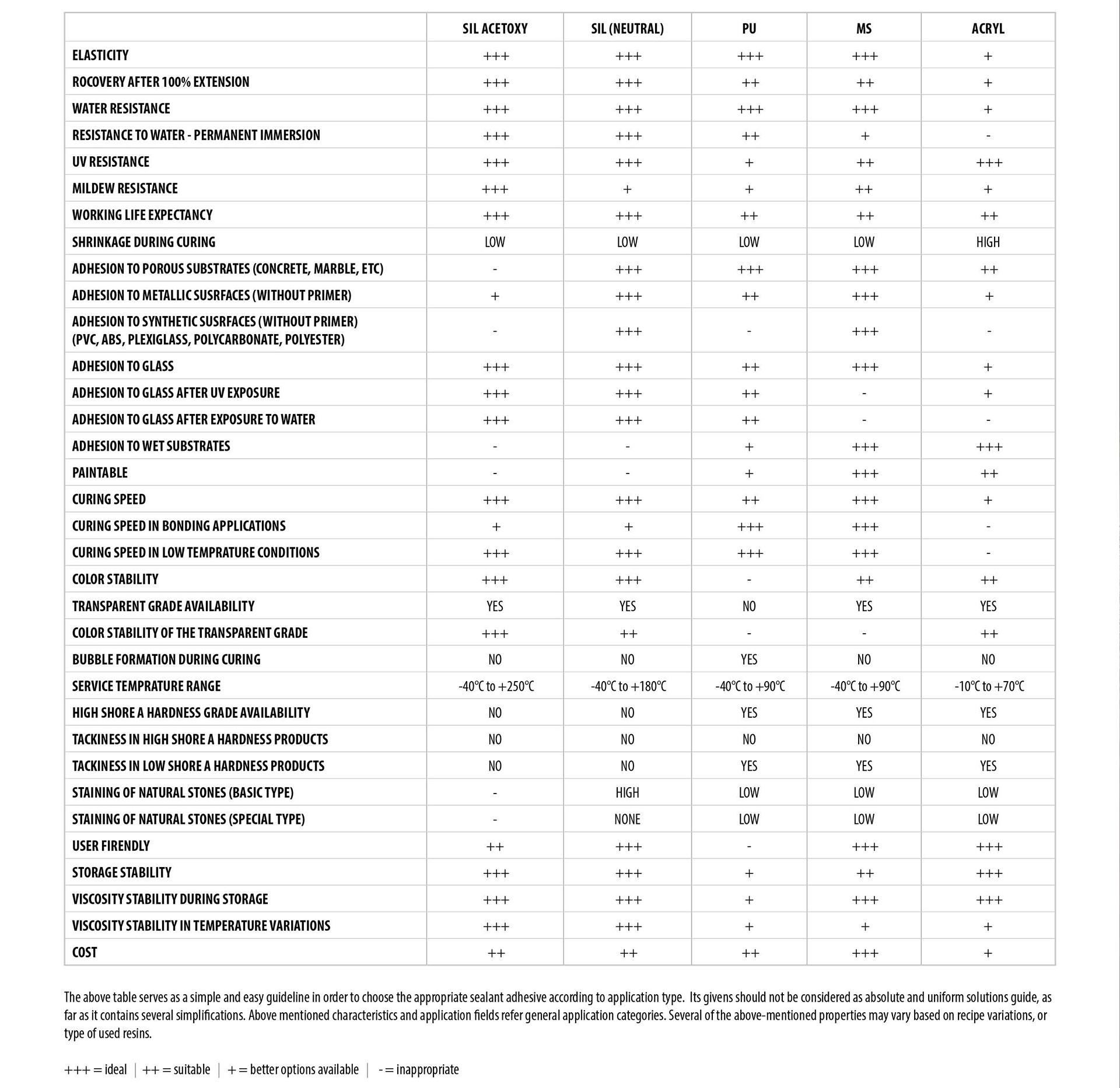
SEALANT ADHESIVES APPLICATIONS TABLE